

How to Share Power
1 - Make a list of decisions commonly made in marriage. Rank the decisions as important, less important, and least important.
2 - Decide how the decision is currently made, how you would each like it to be made, and lastly, negotiate how you want each decision to be made. Some decisions might be made by just the wife or just the husband. Others may be made by the wife or husband after consulting the other spouse. Other decisions may be made jointly.
A full description of the Powergram by Richard B. Stuart can be found here: https://books.google.com/books?id=-YwsDr3fW1cC&pg=PA266&lpg=PA266&dq=stuart+powergram&source=bl&ots=pPoMpFv5iW&sig=XdThE1M95C9xBhzQe9JvH0RNO9Q&hl=en&sa=X&ved=0ahUKEwib--Wx0uTNAhUDzmMKHQqnDLgQ6AEIHDAA#v=onepage&q=stuart%20powergram&f=false
My husband and I completed the Powergram and learned several important things. For one thing I realized that I liked to decide what household duties I want to do. My husband agreed. He does not feel the need to have a say in decisions about my household duties. I appreciated our discussion about that. It reminded me of conversations I've had with other wives where their husbands demanded certain things regarding the housework. One lady had to vacuum every room of the house each night. It was also helpful for our relationship to understand how my husband felt about decisions regarding the bringing of children into our home. He explained how he thought that should be my decision after consulting him since it affected my mind and body.
In most relationships today, a spouse would not outwardly proclaim that they were controlling in their marriage. Hopefully, that is not something to brag about. It is more common for controlling behaviors to be more subtle and less easily detectable.
The Powergram explained above can help identify if power is an issue in your relationship. If you find yourself in an unequal relationship, here is another thing to consider: The "leader-servant" model. This is how it works:
Ask the question "How can I help?" This is more Christ-like that thinking the way of the natural man which is "How can I help myself?"
There are two major components in marital power:
1st - Process of Power (a spouse dominates conversations and doesn't listen to other partner's opinions)2nd - Power Outcome (determined by which partner tends to get their way during a disagreement)
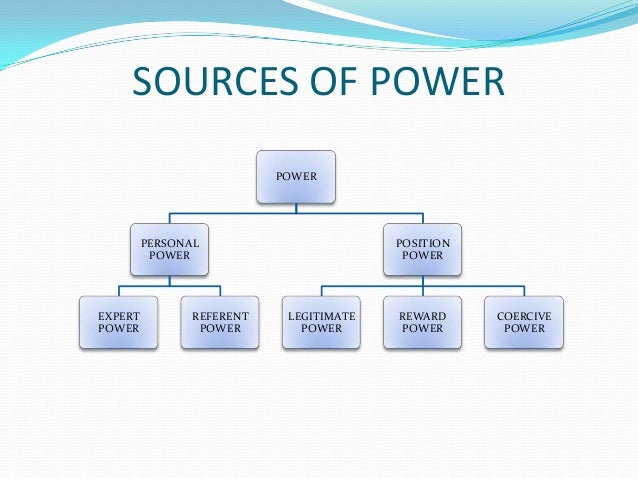
There are also several different bases of power:
Legitimate Power - derives from laws or norms that suggest who should have greater decision- making influence.
Expert Power - derives from the agreement among others that one person has greater skill in a given area and is likely to make the wisest decision.
Referent Power - derives from the feeling that two or more people are members of the same social group and should be influenced by one another.
Referent Power - derives from the feeling that two or more people are members of the same social group and should be influenced by one another.
Coercive Power - stems from the belief by one that the other will punish noncompliance.
Reward Power - stems from the belief by one that the other will reward compliance.
It is important to remember that power is a process rather than a static property. It changes over time. Many decisions are made in families each day. Some are made with friction while others are made like a well-oiled machine (Stuart, pg. 253). Another important concept is that if there is no relationship, there is no power. The relationship we have with our spouse is an important part of making decisions. If we have a great desire for the relationship to be successful, we are willing to give up some power for the relationship to thrive. If this happens too much, we might start to lose faith in the relationship. The "principle of least lost" can occur if one spouse is not committed to the relationship.


No comments:
Post a Comment