Tuesday, June 28, 2016

Our Sexual Stewardship

In my generation (or maybe it was just my family) we didn't say certain words. . . pregnant, period, sex. It was improper at best and distasteful or vulgar at worst. No wonder there was emotional confusion when it came to a healthy sexual relationship in marriage. Looking back, I think my parents were worried that talking about sex would lead to curiosity which would then lead to immorality. I was not the only one trained up to believe that sex was taboo or even bad. When Sean Brotherson was teaching a marriage preparation course at BYU, many students described their feelings about sex as filthy, wrong, and ungodly.

If those with good intentions can cause confusion, you can imagine what happens when Satan gets involved. He does his best to exploit sexual intimacy with "distorted images of sensuality and misplaced or twisted values and expressions of sexuality" (Brotherson, pg. 2). He uses pornography and media to sensationalize and diminish one of the greatest blessings God has given to men and women--the sexual intimacy between a husband and wife. Church leaders teach and warn us to avoid temptations of the world in regard to sexual relations. Along with that, they also teach us of the sanctity, power and emotional depth of proper sexual intimacy in marriage.

Dr. Brent Barlow has taught that our sexual relationship is a spiritual stewardship and likened it to the parable of the talents. There are 3 elements that characterize a successful stewardship:  Agency, Diligence, and Accountability.
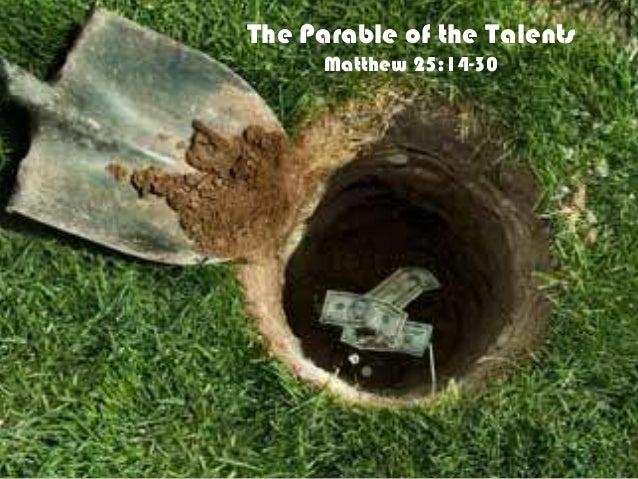


We are expected to improve or enhance what we have been given. As we apply this to our sexual relationship with our spouse, we can ask ourselves the following questions:

1) Have I willingly improved its quality as a marital steward?
2) Have I avoided or ignored this aspect of my marital stewardship?
3) Have I been kind?
4) Have I sought greater light and knowledge?
5) Have I exercised patience and encouragement?
6) Have I pursued answers in faith?

I loved what Sean Brotherson's mom said about intimacy in marriage. She said, "Sometimes it was fun, sometimes it was comforting, sometimes it was romantic, sometimes it was spiritual, and sometimes it was just a willingness to love."

In my marriage, we have found that life continues to change. We have a houseful of grown children now which actually makes it harder for us to have alone time. I remember it sometimes being hard with little children who may walk in your room, but it's worse when they are older. Sometimes I feel like we are lacking in this area, but knowing that there are many different aspects of sexual relations helps me know that it's okay if every single time is not romantic, or fun. Sometimes it is just helping our spouse feel loved.

We can help our sexual relationship and fulfill our sexual stewardship best if there is a positive emotional climate in our marriage. The higher the ratio of positive to negative expressions, the more warm our emotional atmosphere is. Sexual fulfillment flourishes in an atmosphere of warmth and positive expressions toward each other. For women, we need a warm atmosphere in our marriage. Brotherson said, "A women's willingness to be intentional about sexual intimacy is directly linked with whether she is currently feeling or experiencing any ill will in the relationship" (pg. 7). 


I appreciated the statement made by Brent Barlow when he said, "If the activities of the day really are so tiring that a woman has little time and energy left to develop her relationship with her husband, she or the couple together might examine her life carefully, to decide which things can be given up for the good of the most important relationship she will ever be involved in" (They Twain Shall Be One, pg. 4).  It is important to keep our priorities in order, but it means a lot when the husband pitches in and helps around the house. One way a husband can improve the warmth of the marriage climate is by doing "daddywork" or "choreplay". Nothing is more irresistible to a wife than watching her husband play with their children, help them with homework, or clean up the kitchen!


The little things we contribute to our marriage relationship helps our sexuality become more meaningful and helps each spouse feel deepened love for each other. Our marriages will be blessed as we work to fulfill our sexual stewardship.

Wednesday, June 22, 2016

Marriage--the Ultimate Finishing School

Marriage is ordained of God to stretch and refine us. Someone once joked that marriage teaches us things like loyalty, forbearance, self-restraint, and meekness--all qualities that we wouldn't need if we were to remain single (Goddard, pg. 133-134). The truth is that those qualities, along with many others, are needed for us to become like God.

The scriptures teach us that the Lord will makes our weaknesses become strengths. Sometimes in marriage, we think we should utilize our strengths to help our marriage. More often, our strengths can end up causing problems in our marriage. It is better for us to acknowledge our weaknesses and humbly seek divine help in improving our marriage.


President Benson said, "Men and women who turn their lives over to God will discover that He can make a lot more out of their lives than they can. He will deepen their joys, expand their vision, quicken their minds, strengthen their muscles, lift their spirits, multiply their blessings, increase their opportunities, comfort their souls, raise up friends, and pour out peace. Whoever will lose his life in the service of God will find eternal life" (Goddard, pg. 148). 

Have you ever thought about the personal aspects you are bringing to the difficulties in your marriage? An example of this is someone who is critical of themselves. If I am unable to recognize and appreciate my character strengths, it is very possible that I will be unable to recognize and appreciate the strengths in my spouse. 


Forgiveness is the key. When we work at forgiving ourselves for our imperfections, we will find it easier to accept the imperfections in others. Looking for the positive qualities in ourselves will help us find the positive qualities in our spouse. Being grateful for those positive qualities and expressing our praise and thankfulness to our spouse can eliminate criticism and contempt in our marriage.

The Magic Six Hours

John Gottman was able to distinguish successful marriage couples from unsuccessful ones. They found that successful couples devoted an extra six hours each week to improving their marriage by doing the following:

1) Before you say good-bye in the morning, make sure you learn at least one thing that is happening in your spouse's life that day.

2) Hug and kiss each other hello for at least six seconds at the reunion at the end of the day.

3) Communicate genuine affection and appreciation toward your spouse every day and genuinely say "I love you".

4) Show physical affection during the day and embrace before going to sleep. Lace your kiss with forgiveness and tenderness!

5) Have a weekly date night that is relaxing and romantic. Stay connected by asking open-ended questions, updating love maps, and turning toward each other.

6) Hold a "state of the union" meeting. Talk about your relationship this week. Talk about what went right. Give 5 appreciations. Be specific. Discuss issues that may have arisen. Use gentle start-ups and problem solve together.

Another helpful idea:

Those who set high standards and great expectations for their marriages tend to have the highest-quality marriages.  Every marriage should be equipped with an early warning system that signals when your marriage quality is in jeopardy (Gottman, pg. 280).

This signal is referred to as a Marital Poop Detector because it identifies early on when something doesn't smell right. Both spouses should become expert at identifying warning signals in themselves and their marriage partner and then use a soft start-up to find out what is wrong.

In our marriage after putting some of these practices into use, I have found that using a soft start-up and talking things over when warning signals are flashing helps dilute the feeling of contention and helps us understand what is happening around us. Overcoming obstacles in marriage can help us grow closer together as we learn how to work together better. In 2013 we dropped a son off at the MTC and then found ourselves in a contentious battle with each other. It wasn't until later that I realized we were both feeling sadness about leaving him and didn't express our feelings to each other. The pain we both felt morphed into contention and left us vulnerable. We are getting ready to leave another son at the MTC in a couple of weeks and this time we will be prepared. I've already talked to my husband about what we might expect to happen and how we need to be aware of the inner feelings we have and share them with each other. As we share our feelings, we can recognize what is causing the pain and share understanding between us that will help us cope and draw closer to each other.

When we offer everything we have and are to the Lord in regard to our marriage, we can learn the most important things necessary to becoming like God. When we turn to the Lord for help, He can teach us things through marriage that we couldn't learn any other way. Even though it is difficult sometimes, marriage is the ultimate finishing school.


Monday, June 13, 2016

The Law of Consecration in Marriage

The Law of Consecration is a Celestial Law that involves us giving all that we have--our time, talents, resources, and basically everything that Heavenly Father gives us--to establish Zion and build up the Kingdom of God on the earth. It makes sense that we could apply the Law of Consecration to marriage and create Zion within our homes.

I appreciated the following metaphors in regard to the Law of Consecration:

Only the part of the car driven into the car wash can be cleaned.


Only those train cars hooked to the engine can be pulled up the mountain.


Only that which we bring to the altar can be sanctified and perfected.


H. Wallace Goddard said, "Consecration invites us to put everything we have on the altar--to hold nothing back" (pg. 105). We must accept the failings and limitations of our spouses in hopes of a strong relationship. After we successfully learn how to accept our spouse for who they are, then we can go one step further. The Law of Consecration allows us to "use our spiritual energy to rescue our imperfect partners" (pg. 105). 

Of course, the natural man made living the Law of Consecration or the United Order impossible back in early church history. The natural man can make living the Law of Consecration impossible in our marriages, too. Goddard said, "The natural spouse is an enemy to marriage" (pg. 106). Most of us, as we looked upon marriage, assumed that marriage would provide a way for our needs to be met. It was shocking when we realized that marriage is a lot more about taking care of another person's needs. In the Worldwide Leadership Training Meeting in 2008, Sister Cheryl C. Lant said, "That's the best way to get our needs met, if we are looking to take care of somebody else" (pg. 13). 

Here are some helpful ways we can practice the Law of Consecration in our marriage:
  • Gladly offer our best efforts
  • Appreciate all that our spouse offers
  • When we have unmet needs, humbly invite our spouse to help
  • Receive help graciously
  • Ask God to increase our capacity to give more than we have
  • Give 5 positives for each negative
Do we give our best selves to our marriage? Just as Brigham Young described how some saints lived the Law of Consecration--giving withered animals that were not of much use--do we bring our "greatest generosity and richest forgiving to our marriage?" (Goddard, pg. 108).

Why is it that we sometimes treat our friends and even strangers with more compassion than our own family members? Our marriages and families are the best places to practice the Law of Consecration and offer best efforts.When we consecrate ourselves to marriage by bringing our whole soul as an offering to the everyday events of our relationship, we build an eternal relationship brick by brick.


Wednesday, June 8, 2016

Pride's Destructive Effects on Marriage

The previous times I've heard and read . . . and reread President Ezra Taft Benson's talk, "Beware of Pride" I did not readily apply it to marriage. This week as I applied his teachings of pride to marriage, I was stunned to learn that most, if not all, of our marriage difficulties were initiated by pride.


The following are indicators of pride that sometimes influence marriage:
  • Unbridled passions, desires, and appetites
  • Competitiveness/Comparisons
  • Rebellion
  • Hard-heartedness
  • Unrepentant/Unforgiving
  • Puffed up
  • Easily offended
  • Want others to agree with them
  • Selfishness
  • Contention
  • Arguments, fights, abuse, unrighteous dominion, divorce
  • Elevating ourselves and diminishing others
  • Fear man's judgement more than God's
  • Jealousy
  • Faultfinding, gossiping, backbiting, murmuring, living beyond means
  • Envying, coveting
  • Withholding gratitude and praise
There is an antidote for pride. It is humility!! Here are some ways we can foster humility:
  • Choose to be humble
  • Esteem our brothers/sisters as ourselves
  • Receive counsel and chastisement
  • Be forgiving
  • Render selfless service
  • Serve a mission
  • Attend the temple frequently
  • Confess and forsake sins
  • Submit to God's will. Put God first in our lives. Love God.
The world focuses on the importance of meeting our individual needs. It doesn't make sense to the world that sacrificing our own wants and needs would lead us to happiness. In the modern world, people are "devoted to finding happiness" but they are "seeking happiness in ways that guarantee emptiness" (Goddard, pg. 70). Jesus Christ taught that "he that loseth his life for my sake shall find it" (Matt. 10:39). 

One way this happens was demonstrated in "The Grapefruit Syndrome" where the wife sat down with her husband to discuss the problems they had with each other. She meant well and took the advice of someone she thought she could trust, but the outcome made it clear that we should not be focused on how others need to change to meet our needs. 

I liked the example of showing appreciation instead of criticism. Goddard said, "Appreciation inflates the tires on which we travel. Criticism is a slow leak in those tires" (pg. 77). The following graphic contains great advice! Shouldn't couples regularly check themselves to make sure they are "inflating" their spouse with appreciation!! 


It has been my experience that when my husband shows appreciation to me, I feel like I can accomplish anything and want to try even harder to please him. 

I love how eliminating pride, yielding to a spouse, and using humility and repentance all work together to strengthen a marriage. I was surprised how many times this week I could identify pride in my words and actions with family members. One of the easiest to fall into is being easily offended. I'm grateful for wonderful examples around me who have shown that being offended does not fix anything. This week my son was ordained an Elder. My parents were not at the church when it was time for a blessing and I thought they must have forgotten about it. After the blessing ended, my parents arrived. There had been some confusion about the time. They could have been offended and upset, but they did not show any negative expressions at all. It was a great example of what happens when families love and care about each other.