Monday, July 11, 2016

Healthy Family Ties

It has been the jest of jokes for decades and is the focus of TV sitcoms. . . the dreaded in-law problem. No doubt many married couples deal with a negative in-law situation. 

Image result for jokes about in laws


As a newly married couple living in the same city as both parents, we found ourselves torn between which parent to visit each Sunday. It was bad enough that I remember even "keeping score". "We spent 3 hours at your parents' house, we have to spend 3 hours at mine". It was a difficult way to start a marriage and try to build a relationship with each other. Unfortunately, my husband's family was more demanding and fed the competition. When holidays came, it was even more intense. We were torn between families and had no chance of creating our own traditions as a family.

Unfortunately, we did not follow the advice in the article Creating Healthy Ties with In-laws and Extended Families by James M. Harper and Susanne Frost Olsen. It said, "Often the relationship between families can be like a tug-of-war. . . it is important for both the husband and the wife not to be in the middle" (pg. 328).

Image result for tug of war

The first task of a newly married couple is to separate from the families from which they grew up and create a strong marital identity. They might think of themselves as existing together within an invisible fence.
Image result for marriage boundaries

Since that experience, my husband and I are careful not to put demands on our married children. We let them decide where they want to spend the holidays and let them know they are always welcome, but they can choose what they want to do. It has been a blessing for all of us.

Conversely, my in-laws continue to be demanding of the family members which drives wedges in relationships and leads to less-satisfying outcomes. An example of this is the family reunion held every other year. My father-in-law sends a flood of emails urging all family members--clear down to the grand-children--that they need to plan ahead and be there. There is no justifiable reason to miss the reunion and everyone has plenty of time to plan ahead. The wording he uses, which lacks any indication family members have the ability to choose, creates a push-back and rebelliousness. One of my sons refuses to attend just because of that.

He is an elderly man who wants more than anything for all of his family to be together. It is a righteous desire. If he changed his methods from pressuring everyone to honestly expressing his love for each family member and his desire to see all of them while allowing their ability to choose, many more would make the concerted effort to attend, which would fulfill my father-in-law's desire.

Harper and Olsen said, "The good news is that when parents-in-law understand inclusion and exclusion issues, the necessity of monitoring and managing their need for control, the loyalty tugs, and the importance of helping a new couple establish a solid marriage boundary, in-law relationships are improved" (pg. 333).

Families should strive for closeness instead of enmeshment. Enmeshment happens when families feel like they always have to be together and there is confusing about loyalty and feelings. Children might be afraid of offending parents. Closeness is different and parents and children both feel secure about their relationship with each other. It involves emotional closeness, but parents feel comfortable staying on their side of the fence. Having a close relationship without enmeshment concerns is the best scenario for families.



Wednesday, July 6, 2016

Power and Control in Marriage

Healthy marriages consist of an equal partnership between the husband and wife. Many problems happen in marriages when there is an unequal relationship. In fact, issues of power are predictive of marital problems. Research also shows that unequal power in relationships is predictive of depression. Richard Miller said, "Research consistently finds that happy relationships are most likely to occur in marriages where the couple shares power and has a true partnership" (Miller 2008).

Image result for healthy marriage

How to Share Power

1 - Make a list of decisions commonly made in marriage. Rank the decisions as important, less important, and least important.

2 - Decide how the decision is currently made, how you would each like it to be made, and lastly, negotiate how you want each decision to be made. Some decisions might be made by just the wife or just the husband. Others may be made by the wife or husband after consulting the other spouse. Other decisions may be made jointly.

A full description of the Powergram by Richard B. Stuart can be found here: https://books.google.com/books?id=-YwsDr3fW1cC&pg=PA266&lpg=PA266&dq=stuart+powergram&source=bl&ots=pPoMpFv5iW&sig=XdThE1M95C9xBhzQe9JvH0RNO9Q&hl=en&sa=X&ved=0ahUKEwib--Wx0uTNAhUDzmMKHQqnDLgQ6AEIHDAA#v=onepage&q=stuart%20powergram&f=false 

My husband and I completed the Powergram and learned several important things. For one thing I realized that I liked to decide what household duties I want to do. My husband agreed. He does not feel the need to have a say in decisions about my household duties. I appreciated our discussion about that. It reminded me of conversations I've had with other wives where their husbands demanded certain things regarding the housework. One lady had to vacuum every room of the house each night. It was also helpful for our relationship to understand how my husband felt about decisions regarding the bringing of children into our home. He explained how he thought that should be my decision after consulting him since it affected my mind and body. 

In most relationships today, a spouse would not outwardly proclaim that they were controlling in their marriage. Hopefully, that is not something to brag about. It is more common for controlling behaviors to be more subtle and less easily detectable. 

The Powergram explained above can help identify if power is an issue in your relationship. If you find yourself in an unequal relationship, here is another thing to consider: The "leader-servant" model. This is how it works:

Ask the question "How can I help?" This is more Christ-like that thinking the way of the natural man which is "How can I help myself?"

Image result for helping each other

There are two major components in marital power:

1st - Process of Power (a spouse dominates conversations and doesn't listen to other partner's opinions)

2nd - Power Outcome (determined by which partner tends to get their way during a disagreement)

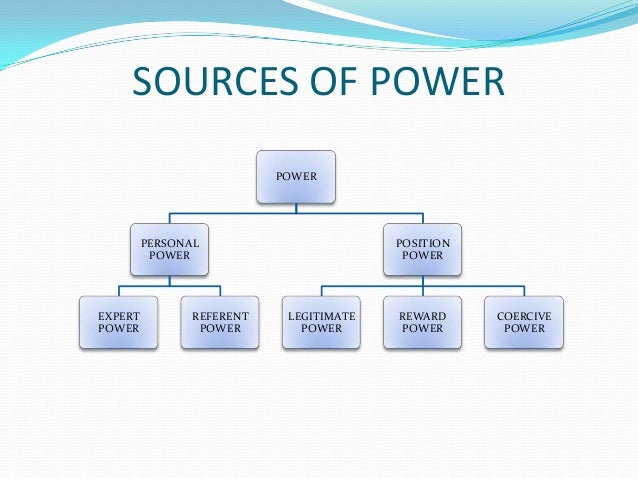
There are also several different bases of power:

Legitimate Power - derives from laws or norms that suggest  who should have greater decision- making influence.

Expert Power - derives from the agreement among others that one person has greater skill in a given area and is likely to make the wisest decision.

Referent Power - derives from the feeling that two or more people are members of the same social group and should be influenced by one another.

Coercive Power - stems from the belief by one that the other will punish noncompliance.

Reward Power - stems from the belief by one that the other will reward compliance.


It is important to remember that power is a process rather than a static property. It changes over time. Many decisions are made in families each day. Some are made with friction while others are made like a well-oiled machine (Stuart, pg. 253). Another important concept is that if there is no relationship, there is no power. The relationship we have with our spouse is an important part of making decisions. If we have a great desire for the relationship to be successful, we are willing to give up some power for the relationship to thrive. If this happens too much, we might start to lose faith in the relationship. The "principle of least lost" can occur if one spouse is not committed to the relationship.


Tuesday, June 28, 2016

Our Sexual Stewardship

In my generation (or maybe it was just my family) we didn't say certain words. . . pregnant, period, sex. It was improper at best and distasteful or vulgar at worst. No wonder there was emotional confusion when it came to a healthy sexual relationship in marriage. Looking back, I think my parents were worried that talking about sex would lead to curiosity which would then lead to immorality. I was not the only one trained up to believe that sex was taboo or even bad. When Sean Brotherson was teaching a marriage preparation course at BYU, many students described their feelings about sex as filthy, wrong, and ungodly.

If those with good intentions can cause confusion, you can imagine what happens when Satan gets involved. He does his best to exploit sexual intimacy with "distorted images of sensuality and misplaced or twisted values and expressions of sexuality" (Brotherson, pg. 2). He uses pornography and media to sensationalize and diminish one of the greatest blessings God has given to men and women--the sexual intimacy between a husband and wife. Church leaders teach and warn us to avoid temptations of the world in regard to sexual relations. Along with that, they also teach us of the sanctity, power and emotional depth of proper sexual intimacy in marriage.

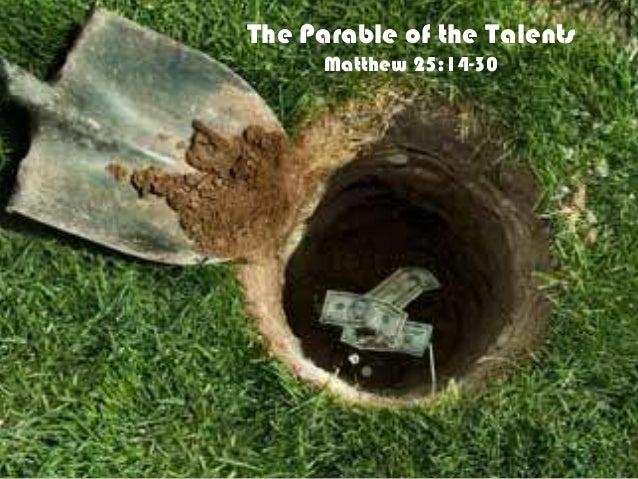
Dr. Brent Barlow has taught that our sexual relationship is a spiritual stewardship and likened it to the parable of the talents. There are 3 elements that characterize a successful stewardship:  Agency, Diligence, and Accountability.


We are expected to improve or enhance what we have been given. As we apply this to our sexual relationship with our spouse, we can ask ourselves the following questions:

1) Have I willingly improved its quality as a marital steward?
2) Have I avoided or ignored this aspect of my marital stewardship?
3) Have I been kind?
4) Have I sought greater light and knowledge?
5) Have I exercised patience and encouragement?
6) Have I pursued answers in faith?

I loved what Sean Brotherson's mom said about intimacy in marriage. She said, "Sometimes it was fun, sometimes it was comforting, sometimes it was romantic, sometimes it was spiritual, and sometimes it was just a willingness to love."

In my marriage, we have found that life continues to change. We have a houseful of grown children now which actually makes it harder for us to have alone time. I remember it sometimes being hard with little children who may walk in your room, but it's worse when they are older. Sometimes I feel like we are lacking in this area, but knowing that there are many different aspects of sexual relations helps me know that it's okay if every single time is not romantic, or fun. Sometimes it is just helping our spouse feel loved.

We can help our sexual relationship and fulfill our sexual stewardship best if there is a positive emotional climate in our marriage. The higher the ratio of positive to negative expressions, the more warm our emotional atmosphere is. Sexual fulfillment flourishes in an atmosphere of warmth and positive expressions toward each other. For women, we need a warm atmosphere in our marriage. Brotherson said, "A women's willingness to be intentional about sexual intimacy is directly linked with whether she is currently feeling or experiencing any ill will in the relationship" (pg. 7). 


I appreciated the statement made by Brent Barlow when he said, "If the activities of the day really are so tiring that a woman has little time and energy left to develop her relationship with her husband, she or the couple together might examine her life carefully, to decide which things can be given up for the good of the most important relationship she will ever be involved in" (They Twain Shall Be One, pg. 4).  It is important to keep our priorities in order, but it means a lot when the husband pitches in and helps around the house. One way a husband can improve the warmth of the marriage climate is by doing "daddywork" or "choreplay". Nothing is more irresistible to a wife than watching her husband play with their children, help them with homework, or clean up the kitchen!


The little things we contribute to our marriage relationship helps our sexuality become more meaningful and helps each spouse feel deepened love for each other. Our marriages will be blessed as we work to fulfill our sexual stewardship.

Wednesday, June 22, 2016

Marriage--the Ultimate Finishing School

Marriage is ordained of God to stretch and refine us. Someone once joked that marriage teaches us things like loyalty, forbearance, self-restraint, and meekness--all qualities that we wouldn't need if we were to remain single (Goddard, pg. 133-134). The truth is that those qualities, along with many others, are needed for us to become like God.

The scriptures teach us that the Lord will makes our weaknesses become strengths. Sometimes in marriage, we think we should utilize our strengths to help our marriage. More often, our strengths can end up causing problems in our marriage. It is better for us to acknowledge our weaknesses and humbly seek divine help in improving our marriage.


President Benson said, "Men and women who turn their lives over to God will discover that He can make a lot more out of their lives than they can. He will deepen their joys, expand their vision, quicken their minds, strengthen their muscles, lift their spirits, multiply their blessings, increase their opportunities, comfort their souls, raise up friends, and pour out peace. Whoever will lose his life in the service of God will find eternal life" (Goddard, pg. 148). 

Have you ever thought about the personal aspects you are bringing to the difficulties in your marriage? An example of this is someone who is critical of themselves. If I am unable to recognize and appreciate my character strengths, it is very possible that I will be unable to recognize and appreciate the strengths in my spouse. 


Forgiveness is the key. When we work at forgiving ourselves for our imperfections, we will find it easier to accept the imperfections in others. Looking for the positive qualities in ourselves will help us find the positive qualities in our spouse. Being grateful for those positive qualities and expressing our praise and thankfulness to our spouse can eliminate criticism and contempt in our marriage.

The Magic Six Hours

John Gottman was able to distinguish successful marriage couples from unsuccessful ones. They found that successful couples devoted an extra six hours each week to improving their marriage by doing the following:

1) Before you say good-bye in the morning, make sure you learn at least one thing that is happening in your spouse's life that day.

2) Hug and kiss each other hello for at least six seconds at the reunion at the end of the day.

3) Communicate genuine affection and appreciation toward your spouse every day and genuinely say "I love you".

4) Show physical affection during the day and embrace before going to sleep. Lace your kiss with forgiveness and tenderness!

5) Have a weekly date night that is relaxing and romantic. Stay connected by asking open-ended questions, updating love maps, and turning toward each other.

6) Hold a "state of the union" meeting. Talk about your relationship this week. Talk about what went right. Give 5 appreciations. Be specific. Discuss issues that may have arisen. Use gentle start-ups and problem solve together.

Another helpful idea:

Those who set high standards and great expectations for their marriages tend to have the highest-quality marriages.  Every marriage should be equipped with an early warning system that signals when your marriage quality is in jeopardy (Gottman, pg. 280).

This signal is referred to as a Marital Poop Detector because it identifies early on when something doesn't smell right. Both spouses should become expert at identifying warning signals in themselves and their marriage partner and then use a soft start-up to find out what is wrong.

In our marriage after putting some of these practices into use, I have found that using a soft start-up and talking things over when warning signals are flashing helps dilute the feeling of contention and helps us understand what is happening around us. Overcoming obstacles in marriage can help us grow closer together as we learn how to work together better. In 2013 we dropped a son off at the MTC and then found ourselves in a contentious battle with each other. It wasn't until later that I realized we were both feeling sadness about leaving him and didn't express our feelings to each other. The pain we both felt morphed into contention and left us vulnerable. We are getting ready to leave another son at the MTC in a couple of weeks and this time we will be prepared. I've already talked to my husband about what we might expect to happen and how we need to be aware of the inner feelings we have and share them with each other. As we share our feelings, we can recognize what is causing the pain and share understanding between us that will help us cope and draw closer to each other.

When we offer everything we have and are to the Lord in regard to our marriage, we can learn the most important things necessary to becoming like God. When we turn to the Lord for help, He can teach us things through marriage that we couldn't learn any other way. Even though it is difficult sometimes, marriage is the ultimate finishing school.


Monday, June 13, 2016

The Law of Consecration in Marriage

The Law of Consecration is a Celestial Law that involves us giving all that we have--our time, talents, resources, and basically everything that Heavenly Father gives us--to establish Zion and build up the Kingdom of God on the earth. It makes sense that we could apply the Law of Consecration to marriage and create Zion within our homes.

I appreciated the following metaphors in regard to the Law of Consecration:

Only the part of the car driven into the car wash can be cleaned.


Only those train cars hooked to the engine can be pulled up the mountain.


Only that which we bring to the altar can be sanctified and perfected.


H. Wallace Goddard said, "Consecration invites us to put everything we have on the altar--to hold nothing back" (pg. 105). We must accept the failings and limitations of our spouses in hopes of a strong relationship. After we successfully learn how to accept our spouse for who they are, then we can go one step further. The Law of Consecration allows us to "use our spiritual energy to rescue our imperfect partners" (pg. 105). 

Of course, the natural man made living the Law of Consecration or the United Order impossible back in early church history. The natural man can make living the Law of Consecration impossible in our marriages, too. Goddard said, "The natural spouse is an enemy to marriage" (pg. 106). Most of us, as we looked upon marriage, assumed that marriage would provide a way for our needs to be met. It was shocking when we realized that marriage is a lot more about taking care of another person's needs. In the Worldwide Leadership Training Meeting in 2008, Sister Cheryl C. Lant said, "That's the best way to get our needs met, if we are looking to take care of somebody else" (pg. 13). 

Here are some helpful ways we can practice the Law of Consecration in our marriage:
  • Gladly offer our best efforts
  • Appreciate all that our spouse offers
  • When we have unmet needs, humbly invite our spouse to help
  • Receive help graciously
  • Ask God to increase our capacity to give more than we have
  • Give 5 positives for each negative
Do we give our best selves to our marriage? Just as Brigham Young described how some saints lived the Law of Consecration--giving withered animals that were not of much use--do we bring our "greatest generosity and richest forgiving to our marriage?" (Goddard, pg. 108).

Why is it that we sometimes treat our friends and even strangers with more compassion than our own family members? Our marriages and families are the best places to practice the Law of Consecration and offer best efforts.When we consecrate ourselves to marriage by bringing our whole soul as an offering to the everyday events of our relationship, we build an eternal relationship brick by brick.


Wednesday, June 8, 2016

Pride's Destructive Effects on Marriage

The previous times I've heard and read . . . and reread President Ezra Taft Benson's talk, "Beware of Pride" I did not readily apply it to marriage. This week as I applied his teachings of pride to marriage, I was stunned to learn that most, if not all, of our marriage difficulties were initiated by pride.


The following are indicators of pride that sometimes influence marriage:
  • Unbridled passions, desires, and appetites
  • Competitiveness/Comparisons
  • Rebellion
  • Hard-heartedness
  • Unrepentant/Unforgiving
  • Puffed up
  • Easily offended
  • Want others to agree with them
  • Selfishness
  • Contention
  • Arguments, fights, abuse, unrighteous dominion, divorce
  • Elevating ourselves and diminishing others
  • Fear man's judgement more than God's
  • Jealousy
  • Faultfinding, gossiping, backbiting, murmuring, living beyond means
  • Envying, coveting
  • Withholding gratitude and praise
There is an antidote for pride. It is humility!! Here are some ways we can foster humility:
  • Choose to be humble
  • Esteem our brothers/sisters as ourselves
  • Receive counsel and chastisement
  • Be forgiving
  • Render selfless service
  • Serve a mission
  • Attend the temple frequently
  • Confess and forsake sins
  • Submit to God's will. Put God first in our lives. Love God.
The world focuses on the importance of meeting our individual needs. It doesn't make sense to the world that sacrificing our own wants and needs would lead us to happiness. In the modern world, people are "devoted to finding happiness" but they are "seeking happiness in ways that guarantee emptiness" (Goddard, pg. 70). Jesus Christ taught that "he that loseth his life for my sake shall find it" (Matt. 10:39). 

One way this happens was demonstrated in "The Grapefruit Syndrome" where the wife sat down with her husband to discuss the problems they had with each other. She meant well and took the advice of someone she thought she could trust, but the outcome made it clear that we should not be focused on how others need to change to meet our needs. 

I liked the example of showing appreciation instead of criticism. Goddard said, "Appreciation inflates the tires on which we travel. Criticism is a slow leak in those tires" (pg. 77). The following graphic contains great advice! Shouldn't couples regularly check themselves to make sure they are "inflating" their spouse with appreciation!! 


It has been my experience that when my husband shows appreciation to me, I feel like I can accomplish anything and want to try even harder to please him. 

I love how eliminating pride, yielding to a spouse, and using humility and repentance all work together to strengthen a marriage. I was surprised how many times this week I could identify pride in my words and actions with family members. One of the easiest to fall into is being easily offended. I'm grateful for wonderful examples around me who have shown that being offended does not fix anything. This week my son was ordained an Elder. My parents were not at the church when it was time for a blessing and I thought they must have forgotten about it. After the blessing ended, my parents arrived. There had been some confusion about the time. They could have been offended and upset, but they did not show any negative expressions at all. It was a great example of what happens when families love and care about each other. 

Tuesday, May 31, 2016

Staying Emotionally Connected

Emotional Connectedness - A Vital Component of a Happy Marriage


One thing jumped out at me this week--

John M. Gottman taught us the importance of putting our spouse first and thinking about their needs over our own. He even touted the somewhat unhelpful process he called "bear witness" which is essentially "active listening" where you repeat back to your spouse what they just said to you. Earlier this semester, we learned that communication skills such as this are minimally effective and can actually hinder the improvement of a relationship (pg. 13). Although there were many helpful ideas given to draw spouses closer to each other, it felt like something was missing.

H. Wallace Goddard taught the doctrinal truth of focusing on the Savior. He said, "It takes faith in the Lord Jesus Christ to remove evil from our marriages and bring them to vibrant life" (pg. 57).


When we put God first, we can gain the proper perspective to help our marriages be successful. President Ezra Taft Benson said, "When we put God first, all other things fall into their proper place or drop out of our lives. Our love of the Lord will govern the claims for our affection, the demands on our time, the interests we pursue, and the order of our priorities" (pg. 57). 

This morning before I started reading our assignment, I became frustrated because of a reoccurring housekeeping issue with my husband. When I read the paragraph about marriage being full of "tempests in teapots" and how "we may be bothered by indecisiveness, hygiene, grammar, etc." it made me feel better. I couldn't believe my issue was completely addressed. It was insightful to learn that little irritations can turn into evils and cause us to completely change how we think and feel about our spouse. Satan would like us to focus on the little "pests" that deplete our marriages of peace, serenity, tranquility, closeness, and love. Instead we should exercise more patience when it comes to the humanness in each marriage.

The paraphrase of Brigham Young's quote to the two sisters who were seeking divorces was very reassuring to me. He said, "If you could only see your husband as he will be in the glorious resurrection, this very husband you now say you despise, your first impulse would be to kneel and worship him" (pg. 59). It helped me realize that Heavenly Father knows each of our potentials and gave us to each other so we could each become who He knows we can be.


Elder Jeffrey R. Holland said, "Too often too many of us run from the very things that will bless us and save us and soothe us" (pg. 59). When we have faith in the Lord, we can trust that the irritations and challenges we face in marriage are "blessings intended to develop our character" (pg. 59).

One of the things I want to work on this week is to begin a "friendly investigation". Instead of finding fault in the things my husband does, I'm going to try to remember to ask myself, "I wonder why he feels that way" or "I wonder why that is important to him?" This will give me a better understanding of him and help me "turn toward him".

The Snowball Effect

Gottman taught that small gestures can lead to another and another--like a snowball rolling down the hill. One small act of "turning toward" your spouse can generate enormous results.


Idea: Create a ledger to keep track of how many times your spouse has "turned toward" you during the day. Focus on ways you can build your spouse's emotional bank account.


Here are two obstacles to watch out for:

  • "Missing" a bid because it is wrapped in anger or other negative emotion - this requires humility and the ability to hold off responding defensively while you search for the bid. Focus on the bid--not the delivery! Try practicing soft start-ups.
  • Being distracted by the wired world - can occur from habit or deliberately. Decide together what rules you want between you concerning electronic devices.

Steps for an Emotionally Connected Conversation:

  • Take turns - each spouse can complain for 15 minutes
  • Show genuine interest - respond and focus on spouse
  • Don't give unsolicited advice - don't try to fix the problem, just listen
  • Communicate your understanding - empathize, respond
  • Take spouse's side - even if he/she might be a fault
  • Express a "we against others" attitude  - express solidarity
  • Show affection
  • Validate emotions 
As we work on being emotionally connected to each other, our foundational friendship can flourish and we can build trust in each other and in our relationship.


References: Drawing Heaven into Your Marriage by H. Wallace Goddard, PhD.
The Seven Principles for Making Marriage Work by John M. Gottman, PhD.

Tuesday, May 24, 2016

The Essential Tension in Marriage

There is tension in every relationship!


It is often worse in marriage because we share so much--money, time, food, space, and even our bodies. As we try to work through differences and realize that we have to make changes ourselves, the natural man resists.

The scripture in Mosiah 3:19 has always been one of my favorites. I used to recite it to myself when my alarm clock went off at 5 a.m. so that I could go run each morning. I really like how H. Wallace Goddard applied it to marriage: 

"For the natural (spouse) is an enemy to God (and partner), and has been from the fall of Adam, and will be, forever and ever."

The natural man and the enticing of the devil can make us believe that it is impossible for there to be happiness in marriage. The devil will never have a family and wants to destroy all families so we will be miserable "like unto himself". He uses stealth tactics to deceive and confuse marriage partners into believing their marriage is bad or they would be happier with someone else.

In reality, marriage is difficult.

The allegory of the manufactured home helps explain why.

A man had two friends in the manufactured-home business. When he wanted a new house, he asked each friend to send him half a house. He gave no plans. He provided no specifications on size or style. He left them to design as they would. Each friend sent a lovely half-house. When the two halves arrived, they were very different. Rooms did not line up. Utilities didn't match up. Roofs and walls did not connect. 

The is a good representation of marriage. We each come from a different factory. . . or family. At the beginning we seem like we will match up perfectly, but it doesn't take very long to see that some things like traditions, expectations, assumptions and ways of life do not line up. Sometimes our differences become even more clear as time goes on. We might start to think we should leave the other half and find another one that matches better down the road. This is a mistake because we never perfectly match up with another human being.

Another example using a house is helpful in regard to marriage. C. S. Lewis used this metaphor:

Imagine yourself as a living house. God comes in to rebuild that house. At first, perhaps, you can understand what He is doing. He is getting the drains right and stopping the leaks in the roof and so on: you knew those jobs needed doing and so you are not surprised. But presently, He starts knocking the house about in a way that hurts abominably and does not seem to make sense. What on earth is He up to? 

The explanation is that He is building quite a different house from the one you thought of--throwing out a new wing here, putting on an extra floor there, running up towers, making courtyards. You thought you were going to be made into a decent little cottage: but He is building a palace.


The key is becoming Godlike. We do all we can to become the best spouse for our mate. In a world that promotes standing up for ourselves and being recognized for everything we do, it was refreshing to read the following:

It takes strength of character to see errors in a partner's grammar or perceptions and yet resist the temptation to correct needlessly. It takes godly goodness to see weakness and mistakes in our partners and yet resist the temptation to smirk. It takes heavenly humility to be proven right and yet to meekly acknowledge that we all make mistakes. It takes divine grace to discard or limit the hobbies that prevent us from helping around the house.  

I was reminded this week that sometimes a characteristic that is very positive in a spouse can be the same characteristic that drives you crazy! An example of this is my husband is very uninhibited. If we ever have a problem, he is almost happy to fix it. He will make sure people do what they say they are going to do and is not afraid of confrontation at all. The negative side to this is sometimes he is not very nice. He possibly can offend others, even though he does usually handle things very calmly. Another positive trait is he is very fair and honest with others. So, when he feels he has been treated unfairly, he will try to remedy the situation. It is important to remember that in order to have the one positive characteristic, we have to accept the other things that go with it. 

Wednesday, May 18, 2016

Marriage Myths and the Six Signs a Marriage Might Fail

Have you ever checked in to "The Roach Motel for Lovers?"

 As terrible as that sounds, Dr. Gottman describes this place where many married couples find themselves when their marriage is marked by "negative sentiment override". Marriage partners start to assume the worst in each other and become trapped in a cycle of negativity, conflict, and bad feelings toward each other. Each is convinced that the other person is evil and selfish and that they must do what they can to win. . . but there is no winner. The results are a relationship that is torn apart and left unguarded from the lure of outside forces.

There are solutions to making marriage work. By identifying myths and dangers, we can find solutions to working together as husbands and wives to create a marriage based on friendship and love.


Here are some of the Marriage Myths:
Content taken from The Seven Principles for Making Marriage Work by John M. Gottman.  Chapter 1 - "Inside the Seattle Love Lab"

Myth - Learning how to communicate better is all that couples need to succeed.
Truth - There is an important place for listening skills and problem-solving techniques in building and maintaining a relationship. Couple who struggle with problem-solving together are not doomed to fail.

Myth - You scratch my back and . . .
Truth - Unofficial contracts can lead to anger and resentment. Any time there is a need to keep a running tally of who has done what for whom, there are signs of trouble. 

This is an area where I struggle. The Proclamation counsels us to "help one another as equal partners". It's true that my husband goes to work each day and works hard! He comes home exhausted and needs a loving wife and family who show him appreciation. The trouble is. . . I'm exhausted, too. It is hard when I'm the only one in the kitchen trying to organize the kids to help and trying not to burn the chicken while answering the phone, helping another child with homework, and trying to find the keys so my teenager won't be late for work. All the while, my husband is reclined in his favorite chair looking at his phone. There is no doubt that it is impossible to keep a running tally of who has done more and that it would be helpful if we did. The solution is unselfishness--being able to think of and provide what the other spouse needs.

Myth - Affairs are the root cause of divorce.
Truth - Most of the time, it is the problems in marriage that lead a spouse to search out an intimate connection with another person. 

Myth - Men and women are from different planets.
Truth - Gender differences may contribute to marital problems, but they don't cause them. Both men and women agree that the determining factor in marriage satisfaction is by 70 percent the quality of the couple's friendship.

False information given to couples can be disheartening to those who are trying to make their marriage work. We can learn one important thing from these myths--marriage is complicated and most people aren't very good at it. There is a way to understand what make your own marriage work and then saving and safeguarding your marriage can become simpler.

Here are some signs that predict divorce:

#1  A Harsh Start-Up - Research shows that the way a discussion begins affects the way it ends. If it starts harsh, it will end negatively even when attempts have been made to repair the damage.

Key Idea: 96% of the time you can predict the outcome of a conversation based on the first 3 minutes of an interaction.


#2  The Four Horsemen

Horseman 1: Criticism

We all have complaints about a person we live with, but complaints focus on a specific behavior or event. In contrast, criticism expresses negative feelings or opinions about the person's character or personality. When criticism becomes frequent, it paves the way for a deadlier horsemen--contempt.

Horseman 2: Contempt

Contempt is a form of disrespect and arises when one spouse feels a sense of superiority over the other. Contempt is fueled by long-simmering negative thoughts and occur when there are unresolved issues in the marriage. Belligerence is a form of aggressive anger and often contains a threat or provocation. It is deadly to a relationship.

Horseman 3: Defensiveness

Being defensive rarely brings the desired effect. It is a way of blaming the other person. It often escalates the conflict.

Criticism, contempt, and defensiveness function like a relay match--handing the baton off to each other over and over again if the couple can't stop it. 


Image result for relay race baton
Horseman 4: Stonewalling

This is less common and occurs later in the course of a marriage that has been in a negative spiral for a while. One person tunes out, disengages, looks away, or leaves the room. The stonewaller acts like he doesn't care what you are saying. Can be used as a protection against feeling psychologically and physically overwhelmed.

#3 Flooding - Occurs when a spouse's negativity is so intense and sudden that you feel defenseless. The more often a person is flooded by criticism and contempt, the more hypervigilant the person becomes at recognizing cues. Many disengage emotionally from the relationship. Reoccurring episodes of flooding lead to divorce for 2 reasons:

  • They signal that at least one partner feels severe emotional distress when dealing with the other.
  • The physical sensations of feeling flooded (increased heart rate, sweating) make it virtually impossible to have a productive, problem-solving discussion.

#4  Body Language - When arguments cause flooding and physical reactions happen such as a pounding heart and sweating, the relationship is in disastrous condition. It is nearly impossible to process information or even pay attention to what the spouse is saying. Creative problem-solving and a sense of humor are unattainable. You are left with the least beneficial response--to fight (act critical, contemptuous, or defensive) or flee (stonewall). There is no chance the issue will be resolved and the situation will become worse.

#5   Failed Repair Attempts - Repair attempts are efforts a couple makes to de-escalate tension during a heated discussion and prevent flooding. A repair attempt could be compared to trying to raise a white flag. 


Image result for raise the white flag

When the four horsemen are ruling a couple's communication, repair attempts often go unnoticed or unheard. Feedback loops can develop between the four horsemen and the failed repair attempts creating a very unhappy marriage. Marriages where the four horsemen are present, but manage to have successful repair attempts usually remain satisfying and stable. Repair attempts keep the four horsemen from moving in permanently. 

Important Note: When marriage is working well, repair attempts are more successful. In marriages where the four horsemen have set up camp, "even the most articulate, sensitive, well-targeted repair attempt is likely to fail abysmally" (pg. 46).

#6  Bad Memories - When the four horsemen move in and overrun the home, it impairs communication and increases the negativity to such a degree that everything the spouse does, or ever did, is recast in a negative light. In unhappy marriages, distorted perceptions can rewrite the history of the marriage in a very negative way. 

When you are in the end stage of marriage - Sometimes couples come for counseling at the end stage of marriage. The four horsemen are gone. They don't argue, act contemptuous, or stonewall any more. They may even talk calmly to one another, but they are distant. One of both of them has disengaged emotionally from the relationship. Some couples leave marriage through divorce and others stay together and live parallel lives. The 4 final stages that signal death in the marriage are:
  • The couple views their marital problems as severe.
  • It seems useless to talk things over. Each tries to solve problems on their own.
  • They lead parallel lives.
  • Loneliness sets in.
But Remember: Marriages Do Not Have to End!

John Gottman was able to "crack the code" to saving marriages by analyzing what went right in happy marriages. The key:

Strengthen the friendship and trust 
that are at the heart of any marriage.

Positive Sentiment Override (PSO) is like an insurance policy and dramatically increases the odds that repair attempts will be successful. Strengthening a couple's friendship stokes the fire and predicts their future. No matter what state a marriage is in, it helps to support, reinvigorate, and maybe even resuscitate your friendship. 

Tuesday, May 10, 2016

A Covenant Marriage

Many look at marriage today as a contractual partnership. Contractual couples each give 50 percent to the relationship--similar to a business partnership. They marry to obtain certain benefits and determine to stay as long as they get what they bargained for. When troubles come, contractual marriage couples find it easier to walk away.

In contrast, covenant marriages consist of a husband and wife who are willing and determined to work through difficulties. They each give 100 percent to their marriage. Elder Bruce C. Hafen said, "They marry to give and to grow, bound by covenants to each other, to the community, and to God" (Covenant Marriage, Nov. 1996 Ensign).

Covenant marriages begin in holy temples.


Just because a person marries in the temple does not mean they have to stop working toward a covenant marriage.

A young bride told her mother on her wedding day, "Mom, I'm at the end of all my troubles!" "Yes," replied the mother, "but at which end?"  

This wise mother knew that her daughter would face challenges after marriage and provided her daughter with insight. Marriage in holy temples can provide us with blessings and power to overcome those challenges.

It is important to teach this principle to our children. When I was in Young Women growing up, I remember the focus of so many lessons was obtaining a temple marriage. I'm not sure it was meant to happen, but I thought the temple marriage was the end goal and that I didn't have to worry about anything after that. Life soon proved that idea wrong. If I could go back and change what I had been taught, it would be that a temple marriage is essential to provide you with the strength, power, and blessings you will need to face the challenges in life. 

Image result for lds marriage

President Ezra Taft Benson promised the following blessings to those who worthily perform the ordinances in the House of the Lord:
  • You will receive the spirit of Elijah, which will turn your hearts to your spouse, to your children, and to your forebears.
  • You will love your family with a deeper love than you have loved before.
  • Your hearts will be turned to your fathers and theirs to you.
  • You will be endowed with power from on high as the Lord has promised.
  • You will receive the key of the knowledge of God. (See D&C 84:19.) You will learn how you can be like Him. Even the power of godliness will be manifest to you. (See D&C 84:20.)
  • You will be doing a great service to those who have passed to the other side of the veil in order that they might be “judged according to men in the flesh, but live according to God in the spirit.” (D&C 138:34)
Elder Bruce C. Hafen said, "Marriage is by nature a covenant, not just a private contract one may cancel at will. Jesus taught about contractual attitudes when he described the "hireling," who performs his conditional promise of care only when he receives something in return. When the hireling "seeth the wolf coming," he "leaveth the sheep, and fleeth . . . because he . . . careth not for the sheep." By contrast, the Savior said, "I am the good shepherd, . . . and I lay down my life for the sheep." Many people today are hirelings. And when the wolf comes, they flee. This idea is wrong. It curses the earth, turning parents' hearts away from their children and from each other."


Marriage is tested by 3 kinds of wolves:  natural adversity, our own imperfections, and excessive individualism. 

Natural Adversity: Examples can be death, illness, and loss of employment. 


There have been several examples of natural adversity in my life. One extremely difficult trial was when my cousin lost a little 2 year old daughter in an accident and then several years later lost three more children in a car accident. This is an artist's beautiful rendering of their children with the Savior. The family was tested beyond what could possibly be imagined. Half of their children had died. The healing process will continue--probably forever, but my cousin and his wife have stayed strong and faithful. They work together to endure each minute of every difficult day. They are amazing examples to me. It is a blessing to know that they will all be reunited someday!

Imperfections: Examples are a husband's criticism, lack of self-worth, selfishness, abuse, laziness, and pride.


Excessive Individualism: Examples could be distrust, suspicion, selfishness, inability to connect with those around us, or focusing on worldly aspirations.


The covenants we make in the temple 
can help us discover hidden reservoirs of strength.

Elder David A. Bednar said, "The adversary's attacks upon eternal marriage will continue to increase in intensity, frequency, and sophistication. Because today we are engaged in a war for the welfare of marriage and the home, in my latest reading of the Book of Mormon I paid particular attention to the ways the Nephites prepared for their battles against the Lamanites. I learned that understanding the intent of an enemy is a key prerequisite to effective preparation. We likewise should consider the intent of our enemy in this latter-day war. Given what we know about our enemy's intent, each of us should be especially vigilant in seeking personal inspiration as to how we can protect and safeguard our own marriages" (Marriage is Essential to His Eternal Plan).


Thursday, May 5, 2016

Creating a Partnership in Marriage

Marriage is a partnership! A husband and wife work together to achieve mutual goals and enjoy the fruits of their labors. There is great power in a strong partnership. President Russell M. Nelson said, 

"True partners can achieve more 
than the sum of each acting alone." 

This is synergy!

image of synergy - Man Hand writing Synergy concept 1 - JPG

Here are some things that make a partnership successful:

  • Collaboration
  • Agreement
  • Sharing Insights and Efforts
  • Building a Consensus
  • Complete Loyalty
  • Suppressing Personal Ego in Exchange for Creating Something Better
  • Individuals Developing Personal Attributes of Character

The most important partnership is found in marriage between a husband and wife. In "The Family: A Proclamation to the World" it says, "Marriage between a man and a woman is ordained of God and that the family is central to the Creator's plan for the eternal destiny of His children."


Here are some ideas for a successful marriage:


1- Get outside of ourselves and be unselfish.

Sister Cheryl C. Lant said, ". . . if we could just get to the point where we are thinking about someone else's needs, our needs are met. That's the best way to get our needs met, if we are looking to take care of somebody else."


Sister Susan W. Tanner said, "It takes work to have a good marriage; it requires consistent effort. Never let a day go by without thinking about how you can bless your spouse and help meet his or her needs. It would be wonderful if we could have companionships that were filled with decencies daily, where we think about what we can do through our words and actions to show love."


 Elder Jeffrey R. Holland counseled us to be equal partners and said, "There will be ebbing and flowing. There's a balance here. We've got to be in this together. We've got to share in this. Happiness in family life is most likely to be achieved when founded upon the teachings of the Lord Jesus Christ. That says to me, I'd better address my flaws before I spend a lot of time worrying about everybody else's flaws in the family."

2- Put family first.

Make time for * Family Prayer * Family Home Evening * Family Scripture Study * the things that have eternal consequences. 

Develop Family Patterns--things that we always do. We go to church on Sunday, attend all of our meetings, accept church callings, give service willingly, have prayer before we leave for school in the morning, read our scriptures every evening before bed, go on missions, pay tithing, eat meals together, work and play together, and try to have meaningful fasts. 

Create and maintain traditions. 

3 - Be equal partners.

President Boyd K. Packer said, There is no task, however menial, connected with the care of babies, the nurturing of children, or with the maintenance of the home that is not the husband's equal obligation. Likewise, women assist their husbands, directly and indirectly, with the burdens of supporting the family."

Marriage is not only about responsibilities. It is also about dreams. "There must be room enough in a marriage for the dreams of both the husband and the wife and sweet encouragement from each to the other to follow those dreams" (Hudson & Miller, pg. 39). 


Hudson, V. M., and Miller, R. B. (2012). Successful Marriages and Families. Equal Partnership between Men and Women in Families. BYU Studies.

Thursday, April 28, 2016

Does Marriage Matter?

Whether you are considering marriage, already married, or in some cases, contemplating the idea of ending your marriage, you might ask the question, "Does marriage matter?"

Consider the following information taken from The President's Marriage Agenda in 2012.

"Marriage is a complex social institution. Marriage helps unite the needs and desires of couples and the children their union produce. Because marriage fosters small cooperative unions--otherwise known as stable families--it not only enables children to thrive, but also shores up communities, helping family members to succeed during good times and to weather the bad times."


To those considering marriage, consider this statement from a team of family scholars:

"On many social, educational, and psychological outcomes, children in cohabiting households do significantly worse than children in intact, married families, and about as poorly as children living in single-parent families" (The President's Marriage Agenda pg. 8).

Our children will be the leaders of the world for the next generations. We want those children to be socially competent, psychologically healthy, and prepared by gaining the best knowledge through education and experience.

Spencer W. Kimball, President of The Church of Jesus Christ of Latter-day Saints said, "Many of the social restraints which in the past have helped to reinforce and to shore up the family are dissolving and disappearing. The time will come when only those who believe deeply and actively in the family will be able to preserve their families in the midst of the gathering evil around us" (Ensign, Nov. 1980, 4).

There are some who might be concerned about their ability to create and maintain a successful marriage and family. Maybe they have been raised in a less-than-ideal home with parents who did not have a healthy relationship. It might be helpful to understand the importance of "transitional characters". The following is a quote from Carlfred Broderick:

"A transitional character is one, who, in a single generation changes the entire course of a lineage. The changes might be for good or ill, but the most noteworthy examples are those individuals who grow up in an abusive, emotionally destructive environment and who somehow find a way to metabolize the poison and refuse to pass it on to their children. They break the mold. They refute the observation that abused children become abusive parents, that the children of alcoholics become alcoholic adults, that "the sins of the fathers are visited upon the heads of the children to the third and fourth generation." Their contribution to humanity is to filter the destructiveness out of their own lineage so that the generations downstream will have a supportive foundation upon which to build productive lives" (Marriage and the Family, pg. 18).

Image result for images break the mold